CUSTOMIZATION / MATERIAL SELECTION

The right material.
For the way it is used.

Compare writing surfaces, notebook covers and packaging structures. Start with the product’s purpose, then confirm the feel, print finish and construction with a sample.

Explore the materials ↓

For stationery brands, importers and wholesale buyers.

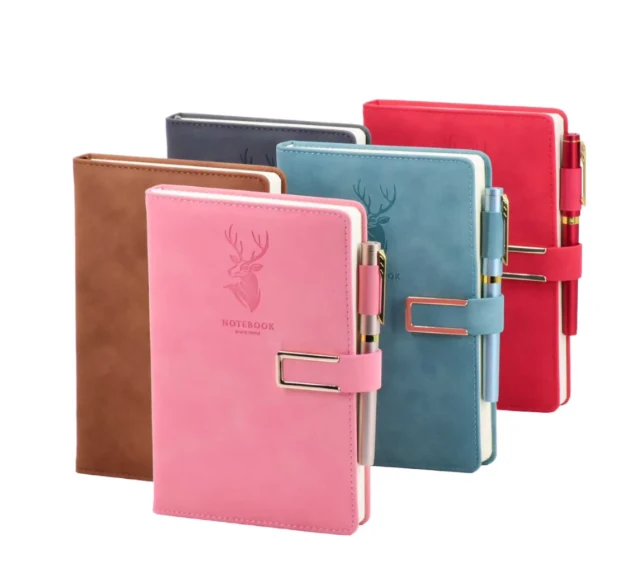
Colorful clasp notebook product reference
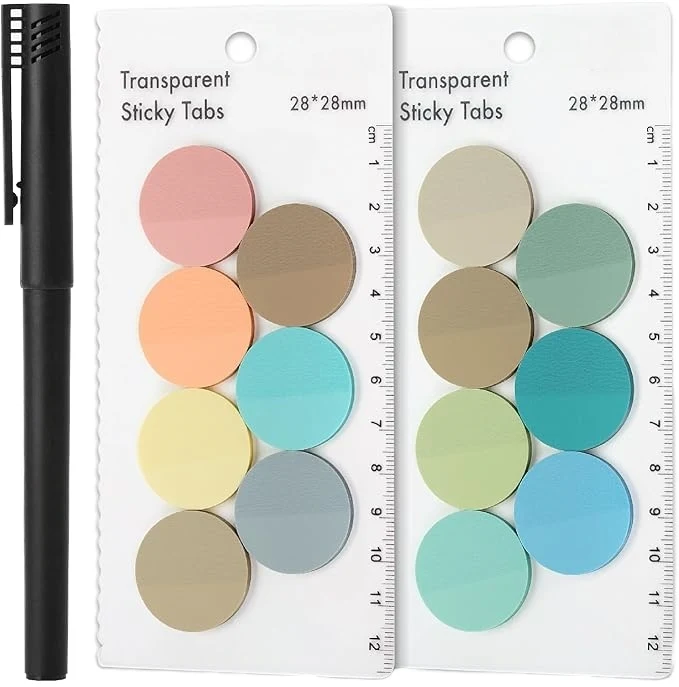
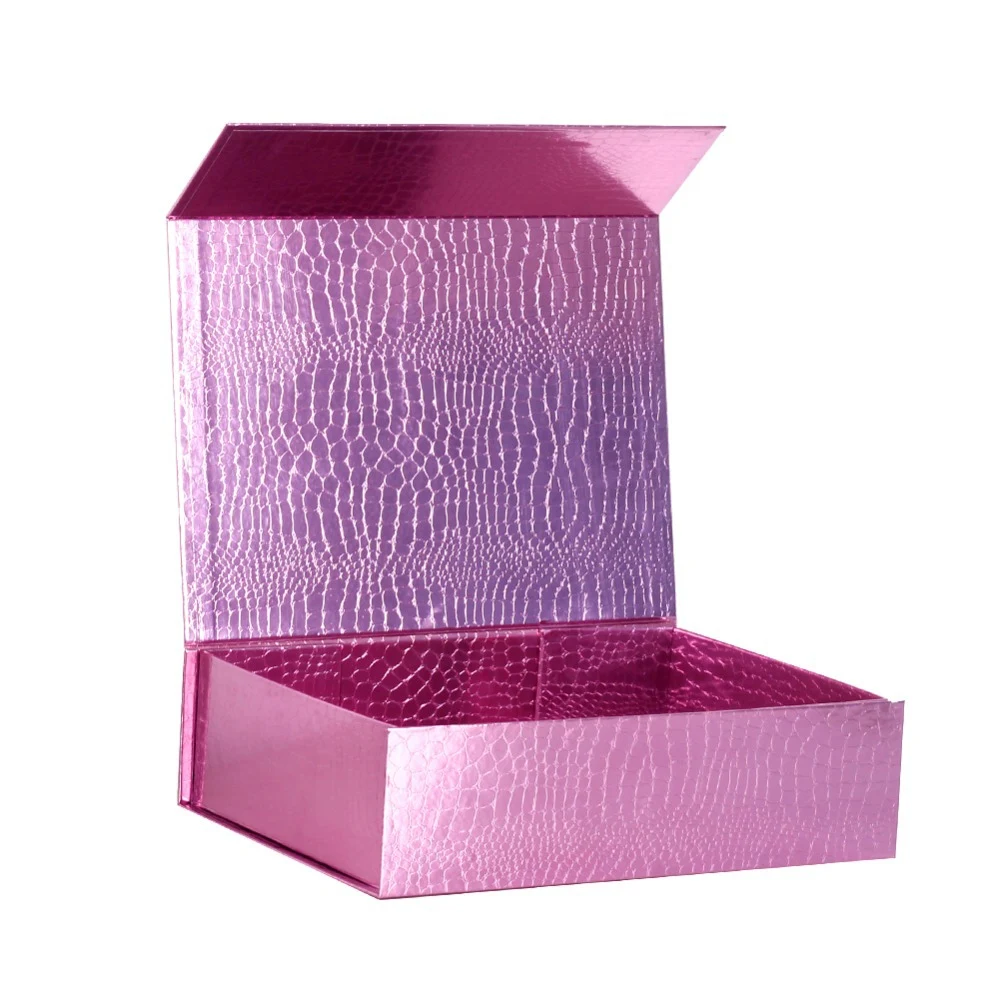
Transparent circular note and page marker product referencePink paper packaging box product reference
WRITE · ORGANIZE · PRESENT
01 / Function

Writing, page marking or product presentation?

02 / Appearance

Paper feel, transparent film or a finished cover?

03 / Sample

Check the material and finish together before production.

01 / STICKY NOTES

Paper or PET?
Start with the writing surface.

Material, artwork and adhesive area should be considered together. Confirm the intended pen and application surface during sampling.

Paper sticky notes

For everyday written reminders, office stationery and printed promotional pads.

Reference option
70–80 gsm paper is a category starting point from our product brief.
Specify
Size, colour, print coverage, sheet count and adhesive area.
Check on sample
Writing feel, print legibility, adhesion and removal on the intended surface.

Transparent PET notes

For annotation and page markers where visibility through the note matters.

Reference option
PET film, with the colour, print area and adhesive placement agreed for the design.
Specify
Transparency, dimensions, artwork and intended writing instrument.
Check on sample
Ink compatibility, drying time, smearing and visibility over printed text.

Custom-shaped notes

A format choice for creative stationery and promotional collections.

Reference option
Discuss the paper or film first, then the die-cut outline.
Specify
Usable writing area, smallest details and adhesive position.
Check on sample
Shape definition, peeling and handling. A special shape alone does not define the material.

02 / NOTEBOOKS

Choose the pages.
Then build the cover.

Specify the inner paper, cover and binding separately. Their combination determines the finished notebook.

Notebook cover and clasp design reference

Finished-product reference. Confirm the actual cover and paper with a physical sample.

01

Inner pages: uncoated writing paper

A starting point for writing-led notebooks. Confirm paper weight, shade, ruling, page count and opacity.

Sample check

Use the intended pen to check writing feel, drying and show-through. Paper weight alone does not guarantee pen performance.

02

Printed paper & specialty-paper covers

Discuss artwork, texture and finishing. For a hardcover, specify the board core and covering material as separate layers.

Sample check

Colour, texture, corner wrapping and the selected foil, embossing or printed finish.

03

PU cover options

A cover route for a leather-like appearance. Confirm the surface texture, colour, backing and construction for the selected design.

Sample check

Cover feel, logo detail, closure and handling. PU is not genuine leather.

04

Binding: a separate decision

Wire-O, spiral and bound formats need different page and cover specifications. Check how the sample opens and turns.

03 / PACKAGING BOXES

Match the board
to the box structure.

Begin with product dimensions, packed weight and the delivery journey. These are structures to discuss; the final board grade and availability need confirmation.

Paper gift box construction reference
Packaging construction routes
RouteUse to discussConfirm in a sample
Folding paperboard cartonPrinted retail cartons and compact presentation.Board grade, thickness, fold lines, closure and product fit.
Wrapped rigid board boxStructured gift or presentation packaging.Board core, wrap paper, corners, lid fit and insert.
Corrugated structureTransit protection or an outer shipping pack, where required.Flute, dimensions, packed weight and the agreed transport test.
Material, finish and protection are separate choices.

A kraft appearance does not by itself establish recycled content. A coating or laminate does not automatically make a box waterproof. Request material documentation and appropriate tests for your application.

MATERIAL BRIEF

Tell us how
it needs to work.

Select a product family and material route. Use the brief to start a sample discussion with BOYI.

No order is placed through this tool.

Prepare a material enquiry ↗

Opens your email app with a draft. Review and send it there.

BEFORE APPROVAL

What to check in your sample.

Approve the complete product, including artwork and finishing, rather than judging the raw material alone.

Writing & handling

Intended pen, drying, adhesive removal, page turning and daily use.

Print & finish

Colour, readability, surface texture and the selected decoration.

Fit & construction

Dimensions, binding, box closure, insert and packed product fit.

Documentation

Required specifications, test criteria and any destination-specific documents.

Material questions

Is higher gsm always better?

Gsm describes mass per unit area. It does not by itself establish thickness, opacity, writing performance or the strength of a finished pack. Compare samples with the same intended use.

Can every pen write on transparent PET notes?

Do not assume universal pen compatibility. Confirm the intended pen and check drying and smearing on the selected film sample.

Can I combine printed paper, foil and a textured cover?

Share the desired combination for review. The result depends on the actual substrate, artwork and finishing process, so approve the combined sample.

Can I request recycled or certified material?

Include the requirement in your enquiry. Availability, the exact material and supporting documentation must be confirmed for the order. No certification is implied by this guide.

Have a material reference?

Send a photo, dimensions, target quantity and intended use.

Discuss your specification ↗